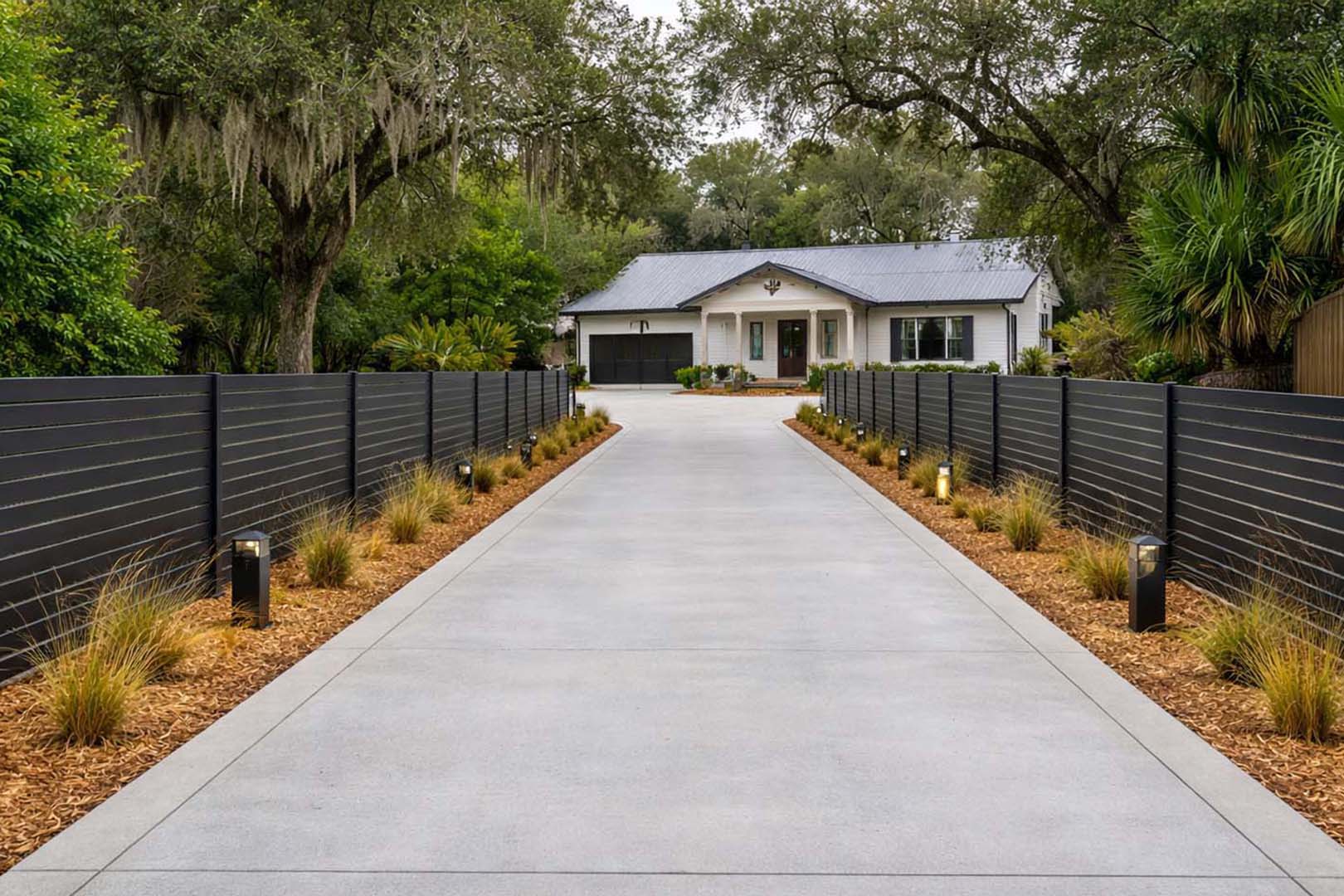

How to Screen Pool Equipment & Add Poolside Privacy with QuickScreen


QuickScreen aluminum slat fencing can be used to conceal pool pumps, filters, and heaters while also creating a cleaner, more private pool area. Texas and Florida homeowners can choose the height, privacy level, slat layout, and mounting method that fit the project. Because it’s all aluminum, it’s built to resist the salty air, humidity, and relentless sun that are so hard on wood, iron and vinyl.
If you’ve ever looked out at a beautiful pool only to have your eye land on a cluster of pumps, valves, and pipes, or your neighbor’s unkempt yard, this guide is for you. Below we’ll cover why screening pool equipment matters, why aluminum is the right material for Texas and Florida pool areas, the privacy and slat options QuickScreen offers, four practical ways to use it, and how to plan a screen that keeps your equipment accessible and properly ventilated.
Why Screen Pool Equipment?
A pool area is one of the most-used and most-photographed parts of Texas and Florida backyards, and pool equipment is rarely part of the look anyone is going for. Pumps, filters, heaters, pipes, controllers, and cleaning gear can take away from an otherwise finished backyard.
Done well, an equipment screen becomes an intentional architectural feature that coordinates with your home’s exterior, pool decking, outdoor kitchen, pergola, existing fencing and gates, and modern finishes like black window frames. A good screen improves both function and the overall design of the backyard. It cleans up the mechanicals, defines separate areas, and adds privacy, all at once.
Get help planning your pool screen. Send Foundation Fence Supply your measurements. Request a quote.
Why Aluminum Works for Pool Areas
Pool areas throw a lot at any screening material. Pool screens are exposed to frequent moisture, irrigation overspray, humidity, and strong sun. In coastal and near-coastal Texas and Florida, add salty air to that list. These are exactly the conditions that cause common materials to fail. Wood rots and warps and needs regular painting and staining. Iron and steel rust and streak, sometimes within weeks of installation.
QuickScreen is an all-aluminum, rust-free, waterproof, low-maintenance system with a powder-coated finish and a 20-year warranty. It doesn’t rot or warp like wood, and aluminum is rust-free which makes it a smart choice where salty air can quickly corrode steel and iron. For Texas and Florida pool owners, that translates to a pool screen that keeps its clean look without constant upkeep.
QuickScreen Privacy and Slat Options
One of QuickScreen’s biggest advantages is that privacy isn’t all-or-nothing. The system offers 2.56-inch, 5.91-inch, and combination slat configurations, along with several spacer sizes and a full-privacy option, so you can dial in exactly how much the screen conceals. Panels can be configured for concrete-set, surface-mounted, or wall-mounted installations, and the current fence-panel offering lists a maximum panel height and length of eight feet, with the ability to cut panels down for smaller applications.
Here’s how those options translate to real design choices:
- Full privacy: Best when the goal is to completely block the equipment or a direct sightline from a patio, window, or neighbor’s yard.
- Narrow spacing: Provides substantial screening while keeping some visual openness.
- Wider spacing: Defines the area without making it feel like a solid wall.
- Combination slats: Adds a more custom look for higher-end pool and landscape designs.
Because the panels are adjustable and can be cut down, you can match the screen to the exact footprint of your equipment pad or the run of your pool deck. Explore aluminum slat spacing options to see the configurations and check the QuickScreen installation documents for specifics before you order.
Get help choosing a configuration. Not sure whether you want full privacy or spaced slats? Send us photos of your equipment and pool area and we’ll recommend a layout. Request a quote.
Four Ways to Use QuickScreen Around a Pool
1. Three-sided pool equipment screen. Wrap the pump, filter, and heater on three sides to conceal the equipment while leaving one side open for airflow and service access. This is the most common approach and keeps the area tidy without boxing the equipment in.
2. Poolside privacy wall. Use taller, wider privacy panels to block neighboring sightlines, screen the pool from a street or alley, or create a sense of enclosure around a lounge or dining area.
3. Integrated equipment screen and access gate. Add a coordinated access gate so pool service technicians can reach valves and controls easily, while the equipment stays hidden the rest of the time. Function and finish in one.
4. Privacy screening mounted near an existing wall or hardscape. Pool areas often have existing concrete, masonry walls, raised planters, or limited soil access. QuickScreen can be surface mounted on appropriate concrete, set in concrete where landscaping permits, or mounted to suitable walls. Browse the project gallery for inspiration.
How to Plan a Pool Equipment Screen
A screen that looks great but blocks access or airflow is a problem, not a solution. Planning around the equipment is what separates a professional result from an afterthought. Before you buy:
- Measure the equipment pad and identify the sightlines you need to block.
- Confirm whether the posts will be set in concrete, surface-mounted to concrete, or attached to a suitable wall.
- Follow the equipment manufacturer’s required clearances and ventilation instructions, especially around heaters and exhaust areas.
- Leave clear access to valves, filters, control panels, and any parts that may need to be removed or replaced.
- Make the gate wide enough for service work and confirm that the swing direction will not interfere with the equipment or pool deck.
- Maintain proper drainage around the equipment pad and keep debris from collecting inside the screened area.
A three-sided or L-shaped layout usually solves the access-versus-concealment issue nicely. When in doubt, follow the equipment manufacturer’s clearance guidance and the applicable installation documents rather than guessing. Proper ventilation and service access protect your equipment and your warranty.
Can QuickScreen Be Used as a Pool Safety Fence?
This is an important distinction. There’s a difference between a screen used to conceal equipment or improve privacy and a legally required pool safety barrier. QuickScreen is not automatically a “code-compliant pool fence.”
Pool-barrier rules vary by jurisdiction and may regulate height, openings, climbability, gate swing, latching, placement, and other details. In Texas and Florida, state and local requirements apply, and some coastal areas may also have stricter wind-load requirements. Horizontal slat layouts may be reviewed differently from other fence styles.
So, the honest answer: whether QuickScreen can serve as part of a required barrier depends entirely on your local requirements and the specific configuration. Before using any privacy fence as part of a required swimming pool barrier, confirm the design, height, spacing, gate hardware, and installation with your local building authority. Our team can point you to the relevant technical documents to support that conversation.
Maintaining an Aluminum Pool Screen
Routine care is straightforward. Rinse the panels periodically to remove salt spray, pool chemical residue, and irrigation deposits. Check the hardware and fasteners from time to time, especially in coastal locations, and clear leaves or debris from around the base. Follow the manufacturer’s care instructions for any additional maintenance.
Planning a pool equipment screen? Measure the run and use the fence calculator to get every panel, post and slat you need. Most screens use standard aluminum slat fence panels, with a single gate or double gate for equipment access.
Frequently Asked Questions
What is the best material for screening pool equipment?
Aluminum is a strong option because it is rust-free, does not rot or warp like wood, and requires less upkeep. Those benefits are particularly useful in Texas and Florida’s humid, high-UV, and coastal conditions.
Does pool equipment need ventilation?
Yes. Pumps and especially heaters require manufacturer-specified airflow and clearance. The screen should hide the equipment without restricting ventilation, exhaust, or access.
Should a pool equipment screen have a gate?
Often, yes. A gate makes routine service much easier. Plan the gate width and swing direction around the valves, controls, and parts that a technician may need to remove.
Can QuickScreen provide full privacy?
Yes. QuickScreen offers a full-privacy configuration, along with multiple slat sizes, combination layouts, and spacer options for projects that need less coverage.
Can horizontal aluminum fencing be used as a pool barrier?
Only if the exact design complies with the applicable local pool-barrier requirements. Horizontal slats may raise separate climbability and spacing issues, so the local building authority should review the proposed configuration.
Will aluminum fencing rust around a swimming pool?
Aluminum does not rust like steel or iron. QuickScreen also has a powder-coated finish for added protection. Routine rinsing is still recommended where the panels are exposed to salt spray, pool chemicals, or irrigation residue.
Get Help Planning Your Pool Screen
Planning a pool equipment screen or poolside privacy project? Send Foundation Fence Supply your measurements, installation photos, and preferred privacy level. Our team can help you select the appropriate QuickScreen panels, posts, mounting components, and gate options and get them shipped to you fast.
Request a pool screening quote or reach us at sales@foundationfencesupply.com to get started.